Mercedes-Benz EQA

mercedeseqa250bev2025
Electro-aesthetics inside & out
mercedes eqa

A progressive, electric athlete

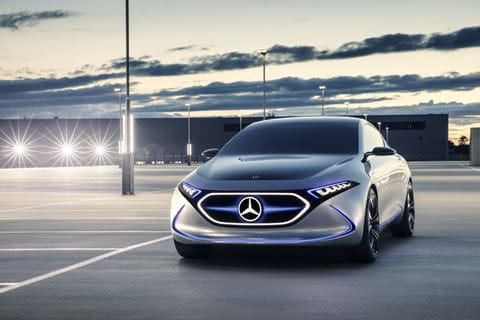
The Mercedes-Benz EQA250 brings clean looks and forward-looking luxury to the electric compact crossover market. With a rapid charging time of just 30 minutes and an estimated range of 486 km, the EQA250 is in the same category with for example BMW i3 and Volkswagen ID.3 The all-electric cousin to the ever-popular GLA, the EQA delivers all the same thrilling characteristics, which should come as no surprise, since it shares the same base, steel body shell and bumpers. But with an efficient electric powertrain and unique blanked-off grille—a signature planned for all Mercedes EQ models—this electric Benz is in a class all its own.
mercedes eqa

Progressive design, intuitive operation

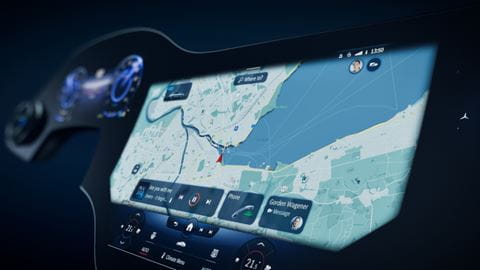
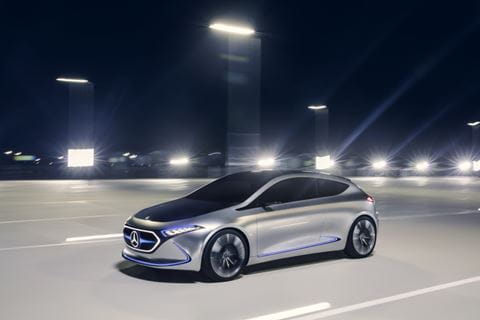
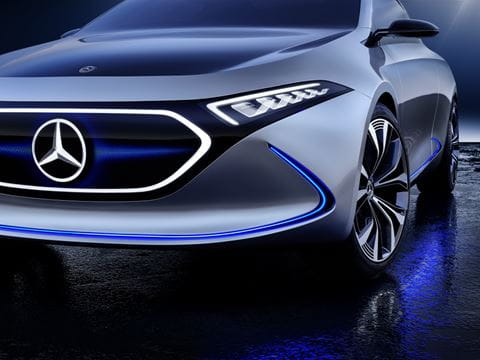
The EQA’s dynamic design mirrors its driving performance and hints at the electro-aesthetics that mark it out from its conventionally powered sibling. On the front, a black panel radiator grille with the Mercedez central star sits between the two LED high-performance headlamps. Electric blue and rose gold highlights embellish the interior design, where you can ride in luxury on faux-leather-upholstered, electrically-adjustable seats as you intuitively operate the Mercedes-Benz User Experience (MBUX) infotainment system. There is also a standard 'navigation with electric intelligence' function that makes it even easier to roll through the city on its standard 18-inch alloy wheels.
mercedes eqa

Exceptional, intelligent power and safety

A single powertrain and battery combo provide 188 bhp and 375Nm of torque to propel this powerful electric compact SUV from 0-100 km/h in 8.9 secs. The EQA250 can reach a top speed of 160 km/h and covers a 426 km range. A true Mercedes-Benz when it comes to passive safety, the EQA uses radar and cameras to detect every day driving hazards, such as pedestrians, cyclists and other vehicles for lane-keeping assistance and automatic emergency braking. Speed-keeping assistance is also an available option.

Battery

  • Battery Capacity 79.8 kWh
  • Fast Charge Time (36->284 km) 37 min
  • WLTP range 426 km

Performance

  • Acceleration 0 - 100 km/h 8.9 sec
  • Top Speed 160 km/h
  • Total Torque 375 Nm

Miscellaneous

  • BodySUV
  • Seats5
  • Drive Front

Top FAQs electric driving

What is a full electric vehicle? An electric vehicle, also called an EV, uses one or more electric motors or traction motors for propulsion. The energy used for driving an EV is stored in the battery and the battery is charged at a charge station (at home, at the office or in public).What do I need to charge my electric vehicle? To charge your electric vehicle, you will require a recharging station, a charging cable, and a charging card.How many kilometres can I drive on a fully charged battery? A fully charged battery with a capacity of 40 kW will enable you to drive 200 to 250 kilometers. If you drive sensibly, you will achieve even more. Speed has the most effect on the amount of power drawn down from your battery, so you are advised to keep to the permitted speed limits. There are also other factors that may have an effect on your driving range: - High or low temperatures (resulting in continuous operation of the air conditioning/heating) - A (too) sporty driving style - Driving with a strong headwind - A fully loaded car - Driving uphill for a long period of time Does an electric vehicle require different maintenance than a vehicle with petrol or diesel? An electric vehicle requires less maintenance. This is due to the engine's reduced number of moving parts compared to a conventional combustion motor, which therefore leads to reduced wear. Moreover, oil changes are a thing of the past and the vehicle does not have an exhaust or gears. In addition, the brakes are less susceptible to wear thanks to the regenerative braking capacity.How safe are electric vehicles? Electric vehicles are approved for all safety factors, just like conventional vehicles. In the event of a collision, there is a possibility that some parts may receive an active charge or that short-circuiting causes an electrical fire, though the safety precautions and construction have limited this risk to an absolute minimum.How long will it take to charge my vehicle? That depends on a number of factors: the type of vehicle, the power left in the battery, how fast your vehicle charges, and which type of recharging station you will be using. When charging your vehicle with a standard power socket, approximately 10 hours is required. This is approximately 2 to 4 hours when using a public recharging terminal. When using a fast-charger (primarily located along highways), your battery will reach 80% charge in 30 minutes. Do keep in mind that using fast-chargers is more expensive than standard recharging stations.What does it cost to charge an electric vehicle? This depends on where you will be charging your vehicle. Home recharging stations are the most economical in most situations. The average electric vehicle uses 15 to 20 kWh per 100 km. If your home electricity rate is €0.25 and you drive an average of 15,000 km per year, your charging costs will range between €563 and €750 per year. When charging away from home, your rate is determined by the recharging terminal provider. A starting fee and incentive rate are often charged in addition to the kWh charge. Via www.plugsurfing.com, you'll find an overview of available recharging terminals in Belgium and Europe including the price per kWh.